Beach cluster
Water Sports at St Kilda Beach
Kitesurf West Beach. SUP behind the pier. Jet ski only with a PWC endorsement. Swim zone is separate.
Direct answer
Kitesurf and windsurf at West Beach in southerly to south-westerly winds. Stand-up paddle behind the pier in the morning. Jet ski hire needs a Victorian boat licence with personal watercraft endorsement. Stay out of the swimming-only zone. Wear a wetsuit. Water sits around 21 C in summer and 12 C in winter.
West Beach, S to SW wind
Behind the pier, early morning
PWC endorsement required
About 21 C summer, 12 C winter
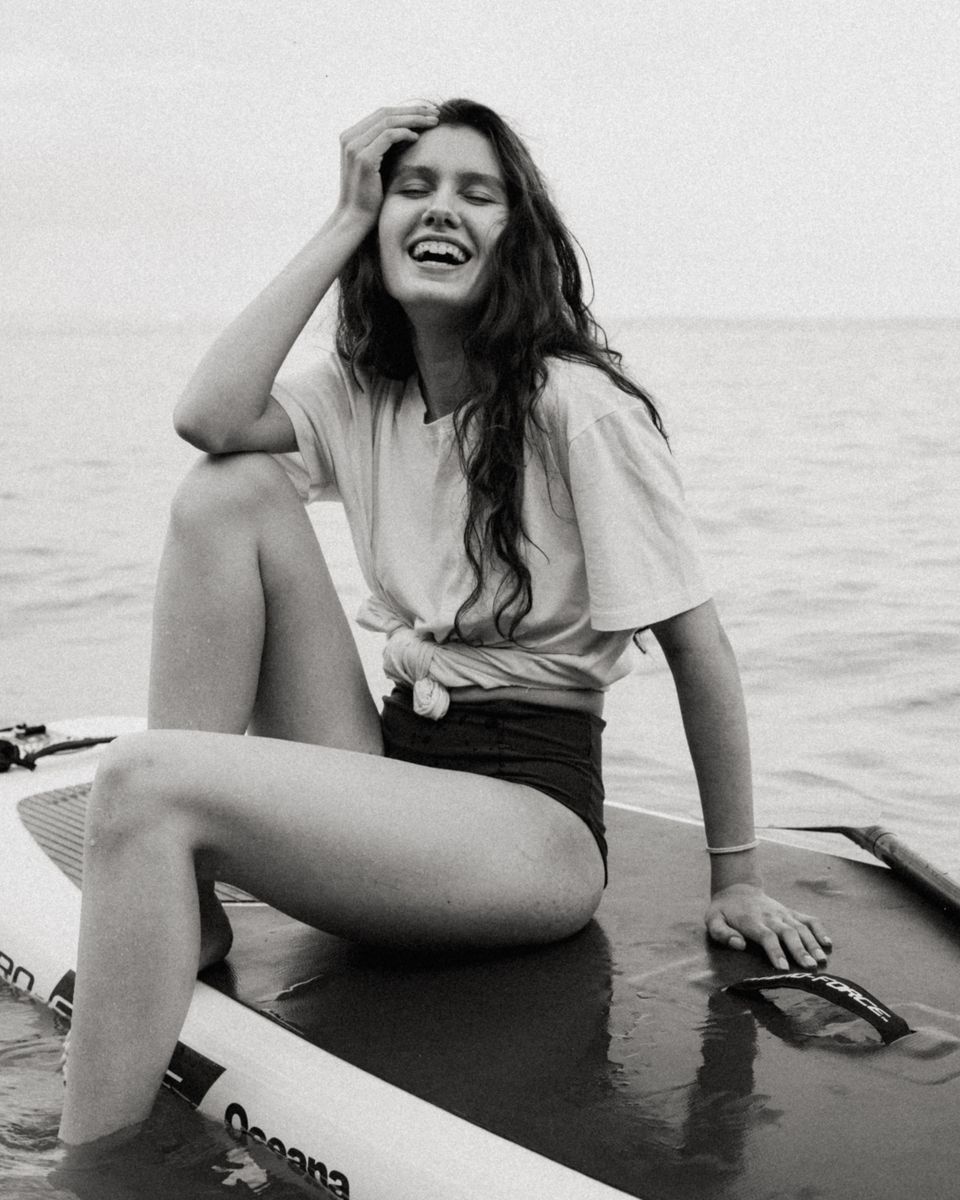
St Kilda Beach sits just south-west of Melbourne's CBD, and its sheltered harbour plus consistent sea breezes make it a premier watersports hub. Flat water behind St Kilda Pier is ideal for paddle boarding, while West Beach is known for kitesurfers powered by cross-onshore winds. Local clubs, lesson packages, and social ride days make it easy for beginners and experienced riders to join the community.
Explore more: Pair this guide with the history guide, the nightlife guide, the safety guide, and the Sea Baths pool if the bay is chopped. For St Kilda Pier, the breakwater, and the St Kilda Botanic Gardens, browse the attractions list (Pier, Breakwater, Botanical Gardens). For lessons, tours, and equipment hire, use the business directory. For community ride days and seasonal programs, visit the events page and the St Kilda events calendar.
Why is St Kilda good for water sports?
Gentle water and reliable sea breezes
The breakwater and pier shelter the inshore area, creating flat water that suits SUP beginners and windsurfers. Summer winds are commonly southerly to south-westerly at 10 to 25 knots, producing safe cross-onshore conditions. Sea breezes often strengthen in the afternoon, so early mornings tend to be the calmest.
Strong community and facilities
West Beach hosts one of Victoria's most active kiteboarding scenes, supported by local clubs and schools. The pier area has showers, toilets, drinking water, and paid parking, and the wind-sport zone sits separate from the swimming-only area designated by the City of Port Phillip.
Which water sports can I do at St Kilda Beach?
Kitesurfing
West Beach's wide sandy launch area and flat water behind the pier make it ideal for learning. IKO instructors recommend southerly and south-westerly winds for lessons because they provide power without pushing riders offshore. Water temperatures range from about 21 C in summer to 12 C in winter, so a wetsuit is advised year-round.
| Provider | Services | Notable information |
|---|---|---|
| The Zu Boardsports | Kiteboarding and wing-foiling lessons, hire, sales, supervised clinics | Melbourne's largest kitesurf school. Complete set hire costs AUD 150 for 2 hours or AUD 250 for 4 hours. A deposit of AUD 300 is required, and riders need IKO certification or instructor approval. |
| Kite Republic | Lessons, gear sales, club membership | Offers 6-hour lesson packages, camps, and ride days. Lesson packages often include club membership with social events. |
| GoKite | Kitesurf and wing-foil school operating from West Beach | 2-hour lesson costs AUD 289 for one person or AUD 349 for two. A 6-hour package costs AUD 739 (single) or AUD 899 (two people). Locations shift between St Kilda, Rosebud, and Inverloch. |
| Stand Up Paddle HQ / SUP B | SUP lessons and hire, occasional kite clinics | Group lessons cost around AUD 500 for one person or AUD 650 for two for 6 to 8 hours, with sign-up lists allowing solo learners to join groups. |
Lesson structure and tips for beginners
- Technique over strength: Expect about 10 hours of instruction to ride upwind and self-rescue.
- Wind and weather: Aim for 13 to 20 knots with southerly or south-westerly winds. Avoid offshore winds.
- Safety gear: Wear a helmet and life jacket, check lines for wear, and learn self-rescue.
- Gear timing: Schools advise waiting to buy a kite until after lessons; a wetsuit is the only recommended early purchase.
Stand-up paddle boarding (SUP)
Calm water behind the pier makes St Kilda ideal for SUP. Early mornings are best because sea breezes tend to build later in the day.
- SUP hire: AUD 30 for 60 minutes or AUD 50 for two hours, including board, paddle, leg rope, wetsuit, life jacket, and rash vest.
- Open group lessons: AUD 60 for a 90-minute session (30 minutes instruction, 60 minutes paddling), ages 12+.
- Private lessons: AUD 99 per person or AUD 170 for two people for a 90-minute session, ages 8+.
- Safety basics: You must be able to swim 50 m and wear a leash; avoid offshore winds and stay close to shore.
Windsurfing
West Beach's consistent sea breezes and open rigging area create reliable windsurf conditions. Flat water inside the harbour is forgiving for beginners, while moderate chop outside tests advanced riders. Windsurf gear hire is less common, so most visitors rent from specialist shops such as The Zu/SHQ.
- Start on a large board: Use a high-volume board and small sail to learn balance.
- Practice in light winds: 10 to 15 knots is ideal for uphauling, tacking, and jibing.
- Know the wind window: Southerly and south-westerly winds are the easiest for learners.
Jet skiing
Joey's Jet Ski Hire operates from the St Kilda shoreline. Victorian law requires a boat license with a personal watercraft endorsement to operate a jet ski. Operators do not issue refunds for weather cancellations, so check forecasts before booking.
- Safety equipment: PFDs are mandatory; EPIRBs are required if venturing more than 2 km offshore.
- Speed limits: 5 knots within 50 m of swimmers, 100 m of dive-flag vessels, and 200 m of the shore.
- Zones: Jet skis must stay outside designated swimming zones and 200 m from St Kilda Beach.
Which winds work at St Kilda?
| Wind direction | Suitability | Sports affected |
|---|---|---|
| South (S) / South-West (SW) | Ideal cross-onshore wind with steady power and safe return to shore. | Kitesurfing, windsurfing, SUP |
| West (W) | Onshore; suitable for experienced kiters who can ride upwind. | Kitesurfing |
| South-East (SE), North-West (NW), North (N), East (E) | Offshore or cross-offshore; unsafe for lessons. | All sports (avoid) |
| Calm (under 10 knots) | Good for SUP beginners; little power for kitesurfing. | SUP |
| Moderate (13 to 20 knots) | Ideal for kite and windsurf lessons without excessive gusts. | Kitesurfing, windsurfing |
| Strong (over 25 knots) | Experienced riders only; schools cancel lessons when winds are too strong. | Kitesurfing |
Always check a reliable forecast such as WillyWeather or Windy. Sea breezes can strengthen after midday, while early mornings are typically calmer for SUP.
What are the water sports rules at St Kilda?
The City of Port Phillip designates a swimming-only zone from the pier to Marina Reserve. Wind sports are restricted to the shared wind-sport area within St Kilda Harbour, and personal watercraft must stay outside the swimming zone.
- Licensed operators only: Only permitted providers can offer kiteboarding, SUP, and windsurfing lessons.
- Buddy system: Go with a friend or ensure someone on shore is watching.
- Wear appropriate gear: Wetsuits are recommended year-round, plus helmets and buoyancy vests.
- Respect other users: Give way to swimmers and vessels and stay clear of crowded zones.
Where else can I ride near St Kilda?
- Altona Beach: Wide sandy beach with onshore winds and fewer crowds.
- Sandringham Harbour: Flat water behind the sea wall, ideal for SUP and windsurfing.
- Frankston and Mount Martha: Long sandy stretches with calmer water.
- Lysterfield Lake: Freshwater option for quiet SUP practice.
How should I plan a session?
- Best season: November to March has the warmest water and most consistent sea breezes.
- Arrive early: Parking fills quickly on weekends and mornings are calmer for SUP.
- Check local ride days: Schools run social events and trips to Rosebud or Inverloch.
- Have a backup spot: If winds shift or crowds build, Altona or Sandringham are good alternatives.
Frequently asked questions
What wind directions are best for kitesurfing lessons at St Kilda?
Southerly to south-westerly winds are the safest and most reliable for lessons. These cross-onshore winds provide enough power while allowing riders to return safely to the beach.
Do I need a license to hire a jet ski at St Kilda Beach?
Yes. Victorian law requires a boat license with a personal watercraft endorsement to operate a jet ski. Reputable hire operators will not rent without it.
When is the best time of day for stand-up paddle boarding?
Early mornings are usually calmest behind the pier. Afternoon sea breezes often strengthen, making conditions more challenging for beginners.
What is the water temperature at St Kilda Beach?
Water temperatures range from about 21 C in summer to around 12 C in winter, so a wetsuit is recommended year-round.
Conclusion
St Kilda Beach offers a rare mix of calm water, reliable winds, and a strong community of instructors and riders. Whether you want to glide on a paddle board, learn to kitesurf, or power along on a jet ski, the area has the facilities and expertise to get you on the water safely. Choose the right provider, respect local rules, and plan around wind conditions to make the most of your session.