St Kilda Beach is Melbourne’s most famous seaside playground, just 6 km from the CBD. The wide, sandy shoreline overlooks Port Phillip Bay and the city skyline, with palms along the promenade and sunsets framing the newly redeveloped pier. This 2026 guide covers transport, amenities, swim conditions, local rules, history, and practical tips so you can plan a safe, memorable visit.


Key takeaway: St Kilda Beach is calm and beginner‑friendly, but check the EPA Beach Report after rain, swim between the flags, and plan ahead for pier penguin viewing because free tickets are capped.
What visitors are asking: community insights and pain points
- Water quality: Travellers want to know if it’s safe to swim and whether the water is clean after heavy rain.
- Night‑time safety: Questions often focus on the pier and foreshore after dark, with advice to travel in groups and use rideshare or trams.
- Parking and crowds: Paid parking fills quickly on hot weekends and during major events like the St Kilda Festival.
- Pier deck and penguin viewing: The redeveloped pier is popular, and the penguin platform requires advance booking.
- Dog rules and bans: Visitors are often unsure about dog access, alcohol restrictions, glass bans, and drone rules.
Location and getting there
Where is St Kilda Beach?
St Kilda Beach sits on the northern arm of Port Phillip Bay between St Kilda Marina and the redeveloped St Kilda Pier. Its proximity to Fitzroy and Acland Streets makes it one of Melbourne’s most accessible urban beaches.
Public transport
- Tram 96: Runs from Bourke Street and terminates near Acland Street (around 20 minutes from the CBD).
- Tram 16: Travels along Swanston and Flinders Streets to St Kilda (also labelled 3a on weekends).
- Tram 12: Runs via Collins Street to St Kilda West.
- Bus routes: 246, 600, 606, 922, 923 connect to St Kilda and Luna Park.
Cycling and walking
The Bay Trail runs along the foreshore and connects to the wider cycling network. Marina Reserve provides a scenic stretch with skyline views and bike racks near the sea baths and pier.
Accessibility
The City of Port Phillip operates an accessible beach program each summer. For the 2025-26 season, accessible beach matting is installed at the St Kilda Life Saving Club from 17 November 2025 to 27 April 2026. Mobi‑chair floating wheelchairs are available by booking, and a Changing Places facility with hoist and adult change table is located in the club building. Low‑floor trams on Routes 16, 96, and 109 improve access to the foreshore.
Driving and parking
Parking is limited and mostly paid. The St Kilda Sea Baths car park offers 400+ bays (2 m height clearance) with fees from $6 per 30 minutes, $12 for two hours, and up to $22 for 6-24 hours. Street parking on Acland and Fitzroy Streets is typically metered with two‑hour limits. Free all‑day parking exists around St Kilda Botanical Gardens but fills early on weekends. For detailed rates, zones, event-day tips, and fine avoidance, see our St Kilda Parking Guide 2026.
Facilities: what you’ll find at the foreshore
Amenities
- Public toilets and showers: St Kilda Life Saving Club and next to Donovan’s Restaurant.
- Picnic areas and BBQs: Marina Reserve has grassed areas and BBQs.
- Playgrounds: Rotary Park near the Catani Archway and a playground at Marina Reserve.
- Foreshore promenade: Palm‑lined path for walking, jogging, and skating.
- St Kilda Botanical Gardens: Heritage‑listed gardens with a pond, conservatory, and the EcoCentre (a short walk inland).
Food and drink
Dining ranges from fish‑and‑chips on the sand to restaurants at the Sea Baths complex and cafés on Acland Street. Fitzroy Street and the Esplanade Hotel are well‑known for nightlife and live music.
Accessibility enhancements on the pier
The redeveloped St Kilda Pier features a wider, disability‑compliant walkway, tiered seating, improved toilets, and a curved alignment that creates a sheltered bay‑like space. These upgrades improve access for wheelchairs and prams while enhancing the penguin viewing experience.
Swimming conditions and surf safety
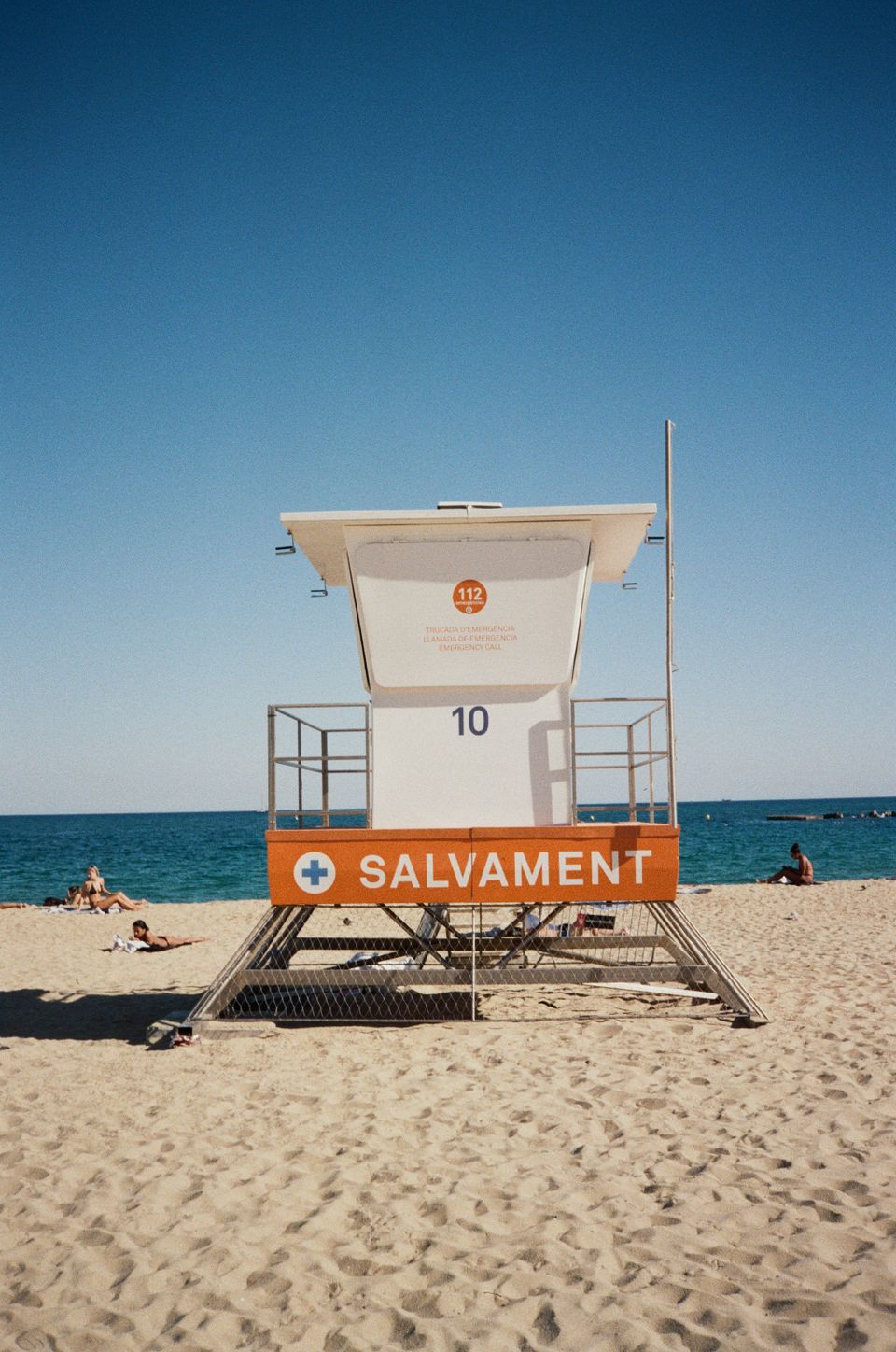
St Kilda Beach is protected by the breakwater and marina, so waves are typically gentle. Beachsafe rates the hazard level at 3/10 under normal conditions. Key safety considerations include:
- Water quality: The EPA Beach Report updates twice daily at 10 am and 3 pm. Avoid swimming for 24-48 hours after heavy rain. For detailed forecasts, pollution alerts, and alternative beaches, see St Kilda Beach conditions today.
- Patrolled areas: Swim between the red‑and‑yellow flags during patrol hours (usually 12:00-18:00 in summer).
- No jumping from the pier: Diving is prohibited due to shallow water and submerged hazards.
- Marine life: Little penguins live in the breakwater; do not disturb them. Jellyfish stings are uncommon but possible.
- Sun and UV: Melbourne’s UV index can exceed 11. Use SPF 30+, wear a hat and reapply sunscreen every two hours.
Windsports like kiteboarding, paddleboarding and windsurfing are common west of the pier. Stand‑up paddleboards and kayaks are available from local operators.
Rules and regulations
Dog restrictions
From 1 November to 31 March, dogs may only be off‑leash on designated sections near Pier Road and St Kilda Marina. From 1 April to 31 October, dogs can access more of the beach on‑leash or under effective control, excluding dunes and playgrounds. Owners must keep dogs 5 m from BBQs and picnic areas and carry a leash at all times.
Alcohol, glass and litter
An alcohol ban applies along the foreshore (between Langridge Street and Thackeray Street) from 1 November to 31 March each year. Glass containers are banned on Port Phillip beaches year‑round. Littering is prohibited, and council patrols are common during major events.
Drone rules
Recreational drones must follow CASA rules: visual line‑of‑sight, under 120 m altitude, and at least 30 m from people. Drones are discouraged near the penguin colony to avoid disturbance.
Filming and events permits
Personal photography is allowed, but commercial filming, weddings and large gatherings require a council permit. Event organisers should apply well in advance.
History and cultural significance
Traditional owners and Indigenous heritage
St Kilda sits on the traditional Sea Country of the Bunurong People (Boon Wurrung clan) of the Kulin Nation. The area is known as Euroe Yroke, and the Corroboree Tree near St Kilda Junction marks a historic gathering site.
Naming and European settlement
The suburb was named after the ship Lady of St Kilda in 1841. By the late 19th century, the foreshore had grown into a major amusement precinct, including Luna Park (opened 1912), and later became known for its nightlife and cultural diversity.
The pier and breakwater
St Kilda Pier dates back to the late 1850s, with the breakwater built for the 1956 Melbourne Olympics. The $53 million redevelopment completed in 2025 added a curved walkway, tiered seating, accessible toilets, and improved protection for the penguin habitat.
Little Penguin colony
The breakwater is home to around 1,400 Little Penguins. Free, ticketed viewing sessions run at sunset and after dark on an elevated platform. Numbers are capped at 150 and booking online is essential. The Wildlife Act 1975 protects the penguins; touching, feeding or shining lights is illegal.
St Kilda Botanical Gardens
Established in 1859, the heritage gardens include the Rain Man fountain, a conservatory, a giant chessboard and the Port Phillip EcoCentre. They’re open sunrise to sunset and offer a quiet retreat from the foreshore.


Best times to visit and seasonal events
Weather and climate
| Season | Temperature range | Rainfall & notes |
|---|---|---|
| Summer (Dec-Feb) | 14-25.3 °C; hot spells >30 °C | Dry and sunny; UV often extreme; busiest time |
| Autumn (Mar-May) | 10.9-20.3 °C | Mild days, cooler nights; ideal for walks |
| Winter (Jun-Aug) | 6.5-14.2 °C | Cold, windy, fewer tourists; scenic walks |
| Spring (Sep-Nov) | 9.6-19.6 °C | Highly variable weather; October is wettest |
Seasonal events and crowds
Summer is peak season with major events including the St Kilda Festival on 14-15 February 2026. Expect road closures, packed sand and long tram queues. Autumn and spring are quieter and ideal for cycling or picnics, while winter offers peaceful beach walks and earlier penguin tours. For a full list of events, see the St Kilda events calendar.
When to avoid swimming
Avoid swimming after heavy rain when EPA forecasts rate the beach as Fair or Poor. If you have open wounds or are immunocompromised, it’s safer to choose another time or a nearby pool.
St Kilda versus other Melbourne beaches
| Beach | Character & facilities | Best for |
|---|---|---|
| St Kilda | Wide sandy beach, calm water, restaurants, nightlife, redeveloped pier with penguin tours | Visitors wanting an urban beach with entertainment and dining |
| Brighton Beach | Iconic bathing boxes, long shoreline, excellent facilities | Photography and swimming |
| Port Melbourne & South Melbourne | Calm beaches close to the CBD, popular for kitesurfing and beach volleyball | Quick beach access and sports |
| Elwood | Quieter bay beach with picnic areas and cycling paths | Families and relaxed outings |
| Altona | Accessible beach with matting to the water and boat ramps | Wheelchair users and western bay visitors |
Practical tips and insider advice
- Check the EPA Beach Report and avoid swimming for 24-48 hours after heavy rain.
- Swim between the flags during patrol hours and supervise children closely.
- Book penguin tours early, especially on weekends and school holidays.
- Respect dog rules and keep pets away from playgrounds and BBQs.
- Observe alcohol and glass bans to avoid fines during summer patrols.
- Use public transport or cycling to avoid parking stress on hot weekends.
Explore more: Pair this guide with the history guide, the nightlife guide, the Sea Baths page, and the safety guide. For attractions like the pier, breakwater and botanical gardens, browse the attractions list. For tours, rentals and local services, visit the business directory.
Conclusion
St Kilda Beach remains Melbourne’s quintessential urban beach. The 2026 upgrades improved accessibility, added a curved pier with tiered seating, and brought back ticketed penguin viewing on a purpose‑built platform. Whether you’re here for swimming, a sunset walk, or a festival weekend, follow the rules, plan ahead for crowds, and explore beyond the sand to make the most of this iconic coastline.